
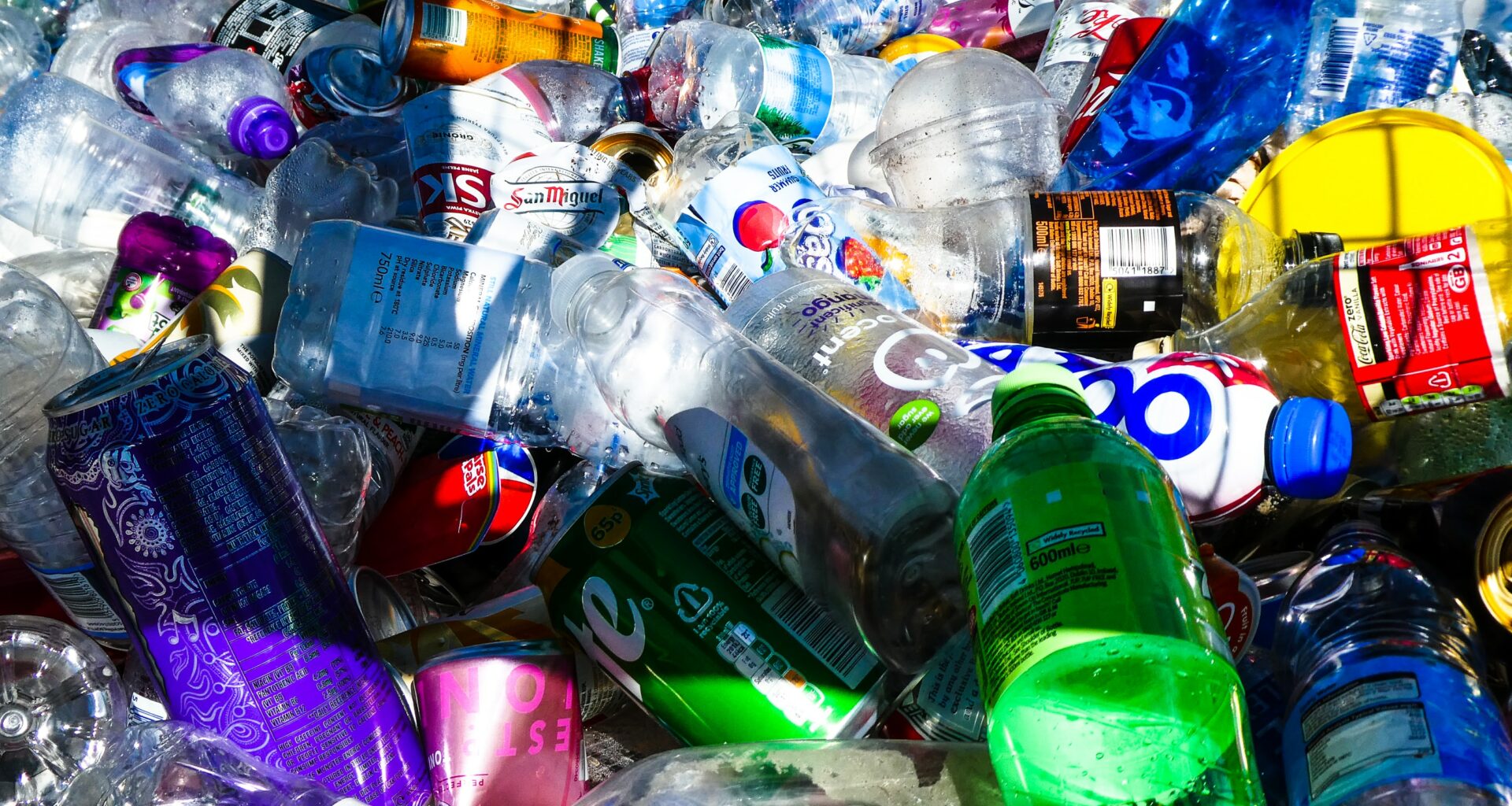
There is a global push to solve the plastic recycling issue, led by an uneasy alliance of activists, governments, and industry groups. The problem is easy to see – less than 10% of plastic is currently recycled while millions of tonnes of new plastic is produced each year. The solution is much more complicated, and current technologies are not capable of solving the complicated web of interconnecting variables.
The European Union is leading the charge in many ways, from a regulatory perspective, with its Packaging and Packaging Waste Regulation (PPWR) and the associated Single-Use Plastics Directive (SUPD) coming into effect. These rules set out increasingly stringent requirements for recycled content in new plastics, nudging the continent stepwise toward a circular economy that leaves less of a carbon and waste footprint in its wake.
Here we’ll take a look at the SUPD in particular, and how the details of the law expose the inadequacies of current recycling practices while opening the door to new solutions. Aduro Clean Technologies (Nasdaq: ADUR) (TSX: ACT) (FSE: 9D5) is on the verge of commercializing its water-based chemical recycling platform, called Hydrochemolytic™ technology, or HCT. The properties displayed by HCT in pilot tests seem to be very well suited to meet the requirements of Europe’s SUPD ruling.
What’s in the SUPD?
Disclaimer: We are presenting a very simplified version of an extremely complex technical, industrial, and economic system.
Many advanced (or chemical) recycling systems today break down the plastic hydrocarbons using very high heat in a process known as pyrolysis. Pyrolysis can handle a lot of plastic types that mechanical recycling cannot, including polyolefins (polyethylene and polypropylene) which constitute more than 50% of global plastic production. If waste polyolefins could be efficiently turned into new plastic building blocks it would go a long way toward creating a circular plastic economy.
The challenge inherent in creating recycled content laws is determining what actually qualifies as ‘recycled content.’ The SUPD was originally implemented in 2019, but this year formal accounting regulations were adopted that clarified how recycled plastic outputs are tracked and which outputs are credited as true recycled content. The goal is to ensure that recycling and packaging companies aren’t credited for waste or for elements that turn into fuel rather than plastic. The new rules use something called mass balance accounting to handle the whole mess and determine the economic value of truly recycled content.
The new mass balance accounting system opens the door to technologies like pyrolysis but offers a challenge in terms of the economics. Mechanical recycling is easy to track – pulverize plastic into much smaller bits of the same plastic, then recombine them into a new form. Simple (but it isn’t practical for a wide variety of plastic types, including polyolefins). Pyrolysis breaks down plastics on a molecular level, creating outputs that include fuel gas, char, heavy residues, and pyrolysis oil. Only the pyrolysis oil can be used to make new plastics, and it usually accounts for about 65% to 70% of the output.
So pyrolysis can address a much broader range of plastic types but after all is said and done only about ⅔ of the feedstock is getting recycled content credit. The other thing to know is that pyrolysis oil needs to be upgraded with hydrogen added back into the mix before it can be used in the making of new plastics. So the economics of the whole system are constrained to some extent by the realities of the technology. And the goal is to have a recycling system that can compete economically with the entrenched, efficient, and fairly cheap virgin plastic industry.
The Aduro Solution
Aduro Clean Technologies’ HCT platform offers several advantages over pyrolysis that could serve to greatly improve the economics of its business in light of the SUPD accounting regulations. The main differentiator is efficiency. Recent tests from the company’s pilot plant demonstrated that 86% of the output was in the form of liquid hydrocarbons, compared to the 65% to 70% achieved by pyrolysis. And of that 86% liquid hydrocarbons, 85% was immediately suitable for new plastic production without the hydrogen upgrading required for the use of pyrolysis oil.
Based on this information alone we can see that the economics offered by HCT will likely be superior to those offered by pyrolysis. But there is much more to differentiate HCT from pyrolysis. It operates at significantly lower temperatures, requiring less energy (and money) to break down plastics. It is also scalable and modular, requiring less initial expenditure and offering more flexibility in terms of location than the mega-factories required by pyrolysis facilities. And HCT can handle mixed and contaminated plastics (food waste, labeling, various plastic types) while pyrolysis requires extensive sorting and cleaning.
The pilot plant noted above is the company’s third step, from the lab to demonstration to pilot. The next and final step toward commercialization is its First-of-a-Kind (FOAK) commercial scale facility that is scheduled to be completed in 2027. Located in the Brightlands Chemical Campus in the Netherlands, the plant will be capable of processing 10,000 metric tonnes/year of plastic waste. Brightlands is basically the most advanced and concentrated nerve center in Europe for chemical sustainability and innovation. In short, the perfect launching pad for Aduro’s entrance into the European circular plastic economy push.
The Upshot
Aduro’s HCT platform is not limited to polyethylene and polypropylene. Polystyrene is also in the mix, along with a host of other hard-to-recycle plastic types like synthetic turf and cross-linked polymers. All together the company figures it is, so far, targeting about 70% of global plastic production – an estimated $120 billion total addressable market. On top of that, HCT can upgrade heavy and waxy crude oils into lighter more transportable forms, offering another $50 billion+ market option for the company and its investors.
For now, the clearest and cleanest and earliest market entry for Aduro is in consumer plastics, and the company is right in the middle of the world’s most advanced and committed regulatory framework in the European Union. The new accounting rules give Aduro a well-defined path to market relevance as it introduces technology that has the potential to fundamentally change how plastic waste is processed. This company should be on investor radars.
Author’s Disclosure: This article reflects the author’s independent analysis and is provided for informational purposes only and should not be considered financial or investment advice. Readers are encouraged to conduct their own independent research and due diligence before making any investment decisions.