
Aduro Clean Technologies (NASDAQ: ADUR) spent fiscal 2026 preparing for a more expensive phase of development. The company is advancing its Hydrochemolytic Technology, or HCT, from pilot testing toward industrial deployment. At the same time, it has raised substantial capital to support that transition. Aduro ended the fiscal year on May 31 with C$38.3 million in cash, up from about C$7 million a year earlier. Working capital increased to C$38.6 million from roughly C$8 million.
Most of that improvement came from equity financing. Aduro completed two U.S. underwritten offerings during the fiscal year that generated nearly C$40 million in combined net proceeds. Total cash received from common-share issuances, net of issuance costs, reached about C$45.2 million.
The company continued raising capital after year-end. In June, Aduro completed another U.S. public offering for roughly US$15.6 million in gross proceeds. It also raised about C$9.2 million through a Canadian private placement.
The timing reflects where the company is in its development cycle. Aduro’s spending is beginning to shift from research and pilot construction toward engineering, permitting, equipment procurement, and eventually construction of its first-of-a-kind industrial facility at the Chemelot Industrial Park in the Netherlands.
CEO Ofer Vicus recently described the company as having a “strengthened balance sheet and expanding industrial commercialization programs.” The two are increasingly connected. Aduro has identified design, engineering, and construction of the Chemelot facility among the uses for its recent financing. That makes the stronger balance sheet an important part of the commercialization story.
The Headline Loss Overstates the Cash Burn
Aduro reported a net loss of approximately C$26.9 million for fiscal 2026, more than double the prior-year figure. Revenue remained minimal at C$167,206. The increase in the loss was driven in large part by noncash items. Nearly C$10 million came from changes in the fair value of derivative financial liabilities, largely related to warrants. Another roughly C$6.4 million came from share-based compensation.
Cash used in operating activities was approximately C$9.9 million, compared with about C$9 million a year earlier. That means the reported loss more than doubled, while operating cash use increased by roughly 10%.
The distinction is important for a company that remains pre-commercial. Share-based compensation still carries a cost through dilution. Aduro’s equity offerings have also increased the share count. But near-term financial risk depends more heavily on cash consumption and access to capital than on reported earnings.
On that basis, Aduro entered fiscal 2027 in a much stronger position than it did a year earlier.
Spending Is Moving Toward Scale-Up
The next question is whether that capital can help move HCT from a pilot process to an industrial one. Aduro’s Next Generation Process, or NGP, Pilot Plant moved into operating campaigns during fiscal 2026.
In June, the company reported results from a 47-hour polypropylene campaign. The system maintained steady-state conditions for about 35 hours and achieved liquid hydrocarbon recovery equivalent to roughly 86% of the polypropylene fed into the reactor during that period. The results provide useful scale-up data. They do not establish commercial viability.
“The NGP Pilot Plant is doing what it was designed to do: generate practical operating, yield, and product-quality data that helps us define the parameters for the next stage of scale-up,” Vicus said when the results were released.
Industrial operation will require Aduro to demonstrate much longer runtimes, consistent performance across variable feedstocks, reliable equipment operation, and competitive economics.
The planned Chemelot facility is intended to address many of those questions. Aduro selected the site in January for a first-of-a-kind industrial HCT facility with initial capacity of about 10,000 tonnes per year.
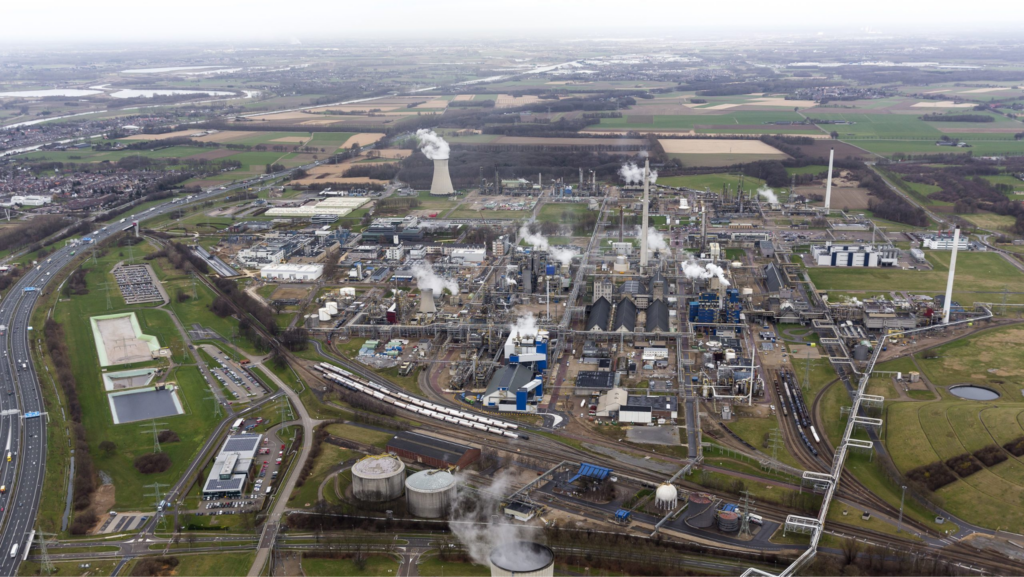
Since then, the project has progressed on several fronts. The company has begun permitting work, appointed dedicated European project leadership, and signed a memorandum of understanding with Dutch waste-management company Ortessa to develop feedstock logistics.
“This project has reached a stage where local industrial execution experience becomes critically important,” Vicus said in June when Aduro appointed Jan Lemmens to lead the project. Aduro has also started developing a market for the plant’s output.
In March, it signed a letter of intent with an international commodities trader to test and qualify Hydrochemolytic oil produced by the pilot plant. The agreement includes a commitment to purchase the initial production parcel from Chemelot for customer qualification and market development, although most of the broader arrangement remains nonbinding.
In August, Aduro selected global engineering and construction group Saipem to provide early engineering and procurement support for the Chemelot facility. The initial work includes reviewing the company’s process design package, refining equipment requirements, evaluating utility integration, and improving capital-cost estimates. And the company has said the initial Saipem work can be funded from existing cash without additional financing.
That is one of the clearest indications of why Aduro strengthened its balance sheet.
More Runway for a More Difficult Phase
Industrial scale-up introduces a different set of risks from laboratory development: equipment specifications can change, permitting can take longer than expected, and pilot results can require design revisions. A larger cash balance gives Aduro more flexibility to address those issues without immediately returning to the equity markets.
Aduro has not yet provided a final capital-cost estimate for Chemelot. Full construction could require additional equity, project financing, strategic investment, government support, or a combination of those sources. The technical risks also remain substantial. Aduro still needs to demonstrate that HCT can operate reliably and economically at industrial scale. Pilot performance is an important step, but it is not a substitute for commercial operation.
Still, the company’s fiscal 2026 results are stronger than the headline loss suggests. Operating cash use remained below C$10 million. Cash and working capital increased sharply. Additional capital was raised after year-end. And the company is beginning to deploy that funding toward specific commercialization milestones.
For Aduro, the next stage will be less about raising capital and more about showing what that capital can accomplish, which is good news for shareholders who believe in its ability to execute.
Author’s Disclosure: This article reflects the author’s independent analysis and personal views. The content is provided for informational purposes only and should not be considered financial or investment advice. Readers are encouraged to conduct their own independent research and due diligence before making any investment decisions.
image sources
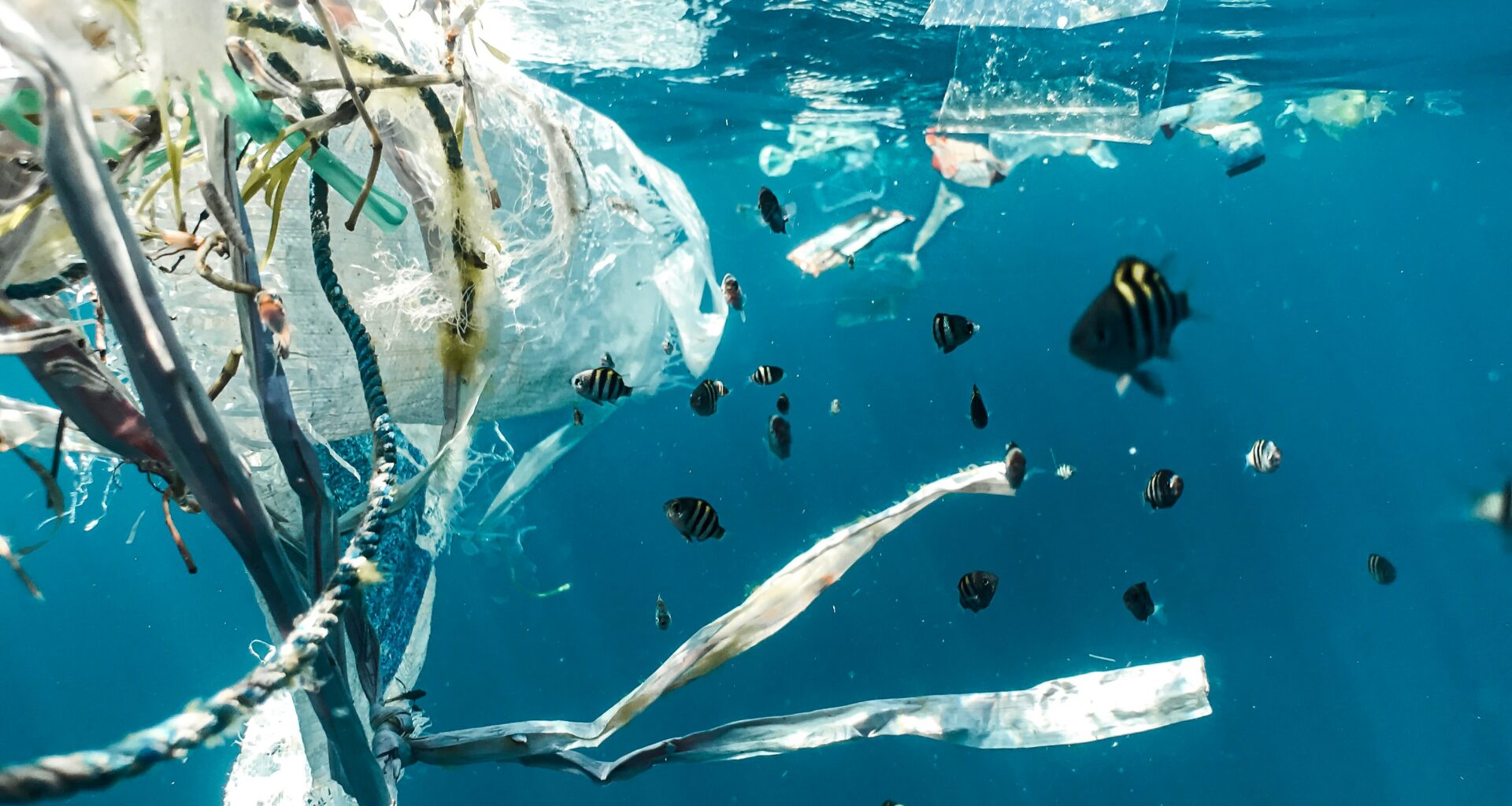
- naja-bertolt-jensen-BJUoZu0mpt0-unsplash: Photo by Naja Bertolt Jensen on Unsplash